

Best Backpacking Gear for Weekend Trips
Table of Contents
- Essential Backpacking Gear for Weekend Trips
- Gear Comparison Table and Selection Criteria
- Weekend Backpacking Checklist: What to Pack
- Lightweight Backpacking Gear Options
- Beginner Backpacking Gear List and Budget Tiers
- 3-Day Backpacking Packing List with Quantities
- Frequently Asked Questions
Last Updated: October 11, 2026
Essential Backpacking Gear for Weekend Trips
When you're planning a weekend backpacking trip, the best backpacking gear for weekend trips makes the difference between a memorable adventure and a miserable slog. The best backpacking gear for weekend trips balances weight, durability, and comfort without forcing you to choose between any three. At Summit Pro Gear, we offer a diverse catalog of products ranging from camping and hiking essentials to backyard living and outdoor electronics, designed to satisfy all your needs for your next adventure.
A weekend trip typically runs 2-3 nights, which means your pack weight and base weight matter far more than they would for a car-camping weekend. You're carrying everything on your back, not parking it at a campsite. This changes your priorities. You don't need the heaviest tent or the warmest sleeping bag on the market, you need the lightest option that handles three-season conditions and keeps you dry.
The core categories for weekend backpacking are straightforward: shelter, sleep system, clothing, hydration, food, and navigation. Each one has budget tiers, lightweight options, and beginner-friendly choices. We'll walk you through each, show you what matters most, and help you avoid overspending on gear you won't need.
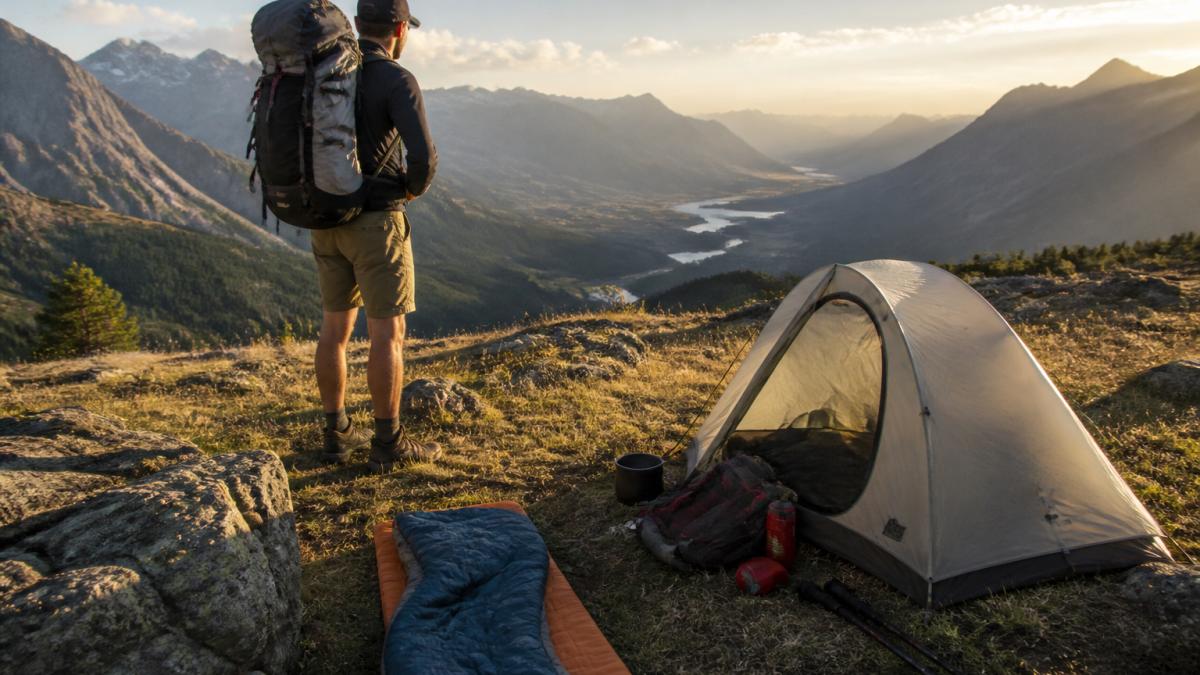
Gear Comparison Table and Selection Criteria
Choosing the right backpacking gear starts with understanding what each category does and how to evaluate options. The table below summarizes the core gear types and what to look for.
| Gear Category | Key Specification | Budget Tier | Mid-Range | Lightweight |
|---|---|---|---|---|
| Backpack | Pack capacity (liters) | 35-40L, $35-50 | 45-50L, $80-120 | 40-50L ultralight, $100+ |
| Tent/Shelter | Weight & waterproofing | Single-person, 2kg+ | Two-person ultralight, 1.5-2kg | One-person ultralight, <1.5kg |
| Sleeping Bag | Temperature rating & weight | 3-season, 800-1000g | 3-season mummy, 600-800g | Ultralight down, <600g |
| Sleeping Pad | R-value & packability | Foam or basic inflatable | Inflatable with built-in pump | Ultralight inflatable, <500g |
| Cookware | Capacity & material | Basic aluminum set, 400g+ | Nesting set with efficiency, 700g | Ultralight titanium, <300g |
| Lighting | Brightness & weight | Basic headlamp, 100-150g | Rechargeable LED, 50-100g | Mini 360° light, <100g |
| First Aid | Coverage & weight | Basic kit, 200-300g | Compact waterproof, 150-200g | Ultralight travel kit, <100g |
When selecting gear, prioritize in this order for weekend trips: shelter first (it protects you from the elements), then sleep system (you need real rest), then backpack (it carries everything), then everything else. Many beginners buy expensive cookware or gadgets before they have a proper shelter or sleeping bag. That's backwards.
Weekend Backpacking Checklist: What to Pack
Your weekend backpacking checklist depends on season and terrain, but the structure stays the same. Start with the essentials, then add comfort items based on weather. Here's what goes in your pack for a typical three-season weekend trip:
Shelter & Sleep System
- Tent or tarp shelter with stakes and guylines
- Sleeping bag rated for expected low temperature
- Sleeping pad for insulation and comfort
- Sleeping bag liner (optional, extends bag life)
Clothing & Layers
- Base layer top and bottom (merino wool or synthetic)
- Mid-layer fleece or insulating jacket
- Rain jacket and rain pants
- Hiking pants or shorts
- Hat and gloves (season-dependent)
- Dry socks (at least 2 pairs)
- Underwear and bra (if applicable)
Backpack & Straps
- Primary backpack with rain cover
- Hip belt for load distribution
- Compression straps for stability
Hydration & Food

- Water bottle or hydration bladder (2-3L capacity)
- Water treatment (filter, tablets, or purifier)
- Trail food for 2-3 days
- Stove and fuel canister
- Cookware and utensils
- Lighter or matches
Navigation & Safety
- Map and compass or GPS device
- Headlamp or flashlight with extra batteries
- First aid kit
- Multitool or knife
- Whistle for emergencies
Toiletries & Personal
- Biodegradable soap and toothbrush
- Toilet paper and trowel
- Sunscreen and lip balm
- Insect repellent
- Medications and blister treatment
The key is packing only what you'll actually use. Many beginners bring duplicate items or "just in case" gear that adds 5-10 pounds to their base weight.
Lightweight Backpacking Gear Options
Lightweight gear doesn't mean sacrificing comfort or durability, it means choosing materials and designs that do more with less. The difference between a standard backpack and a lightweight one might be 500 grams, but over a weekend trip, that's noticeable.
The Naturehike Light Durable Hiking Backpack with Rain Cover ($35.99) is an excellent entry point for lightweight backpacking. At just 18 liters, it's designed for day hikes and short overnight trips. The waterproof nylon construction handles rain without adding bulk, and the adjustable shoulder straps shift load away from pressure points. This is a starter pack, not an expedition rig, but it works well for remote workers and urban dwellers testing whether backcountry travel suits them.
For shelter, the Night Cat Upgraded Backpacking Camping Tent ($108.99) weighs only 2kg and sets up in under a minute using clip-pole attachment instead of traditional sleeves. The sealed seams and 3000mm waterproofing handle three-season conditions, and the compact packed size (42x12x12cm) fits easily in your backpack. Storage space inside is tight but adequate for a solo traveler with a sleeping pad and gear beside you.

The Ultra Lightweight Inflatable Camping Mattress ($44.99) uses air instead of foam, cutting pack weight significantly. The built-in pump means no external equipment needed, and the durable polyamide surface resists abrasion. Pair this with a lightweight sleeping bag and you've got a sleep system under 2kg.
For cooking, the Widesea Outdoor Camping Cookware Set ($43.99) totals just 712 grams and nests completely for compact packing. The corrugated heat-transfer base boosts heating efficiency by 30%, so you use less fuel. Hard anodized aluminum resists scratches and cleans easily. This is built for 2-3 people, so it's ideal for partner or small group trips.
Beginner Backpacking Gear List and Budget Tiers
If you're new to backpacking, don't buy everything at once. Start with a basic kit, test it on a local overnight trip, then upgrade based on what actually bothers you.
Naturehike Light Durable Hiking Backpack with Rain Cover →
Budget Tier (under $400 total) Start here if you're testing whether backpacking is for you. These items are functional but heavier and less refined:
- Backpack: Naturehike Light Durable Hiking Backpack ($35.99)
- Tent: Night Cat Upgraded Backpacking Camping Tent ($108.99)
- Sleeping Bag: Naturehike Mummy Sleeping Bag ($91.99), rated 0-5°C, covers three seasons
- Sleeping Pad: Ultra Lightweight Inflatable Camping Mattress ($44.99)
- Cookware: Widesea Outdoor Camping Cookware Set ($43.99)
- Lighting: Wurkkos CL01 Mini 360 Degree LED Flashlight ($38.99)
- First Aid: Rhino Rescue Outdoor Travel First Aid Kit ($46.99)
- Multitool: 27 in 1 Stainless Steel Multitool ($34.99)
Total: ~$445, This covers all essentials for a weekend trip. You'll need to add clothing, food, and water, but those are consumables or items you likely own.
Mid-Range Tier ($600-800 total) Upgrade your sleep system and shelter after your first trip. Better insulation means better rest. Better shelter means peace of mind in bad weather.
- Backpack: Upgrade to a 45-50L pack with better hip belt support
- Tent: Naturehike Mongar PRO Ultralight Two Person Tent ($250.99), lighter, more durable, room for two
- Sleeping Bag: Upgrade to a down-filled bag with better warmth-to-weight ratio
- Sleeping Pad: Camping Inflatable Sleeping Pad With Built In Pump And Pillow ($89.99)
- Cookware: Same Widesea set ($43.99)
- Lighting & Safety: Same items as budget tier
Total: ~$700, This is the sweet spot for regular weekend backpackers. You've got reliable gear that handles variable weather and provides genuine comfort.
3-Day Backpacking Packing List with Quantities
A three-day, two-night trip is the standard weekend backpacking duration. Here's exactly what to pack and why quantities matter:
Shelter & Sleep (non-negotiable)
- 1 tent with stakes and guylines
- 1 sleeping bag
- 1 sleeping pad
- 1 sleeping bag liner (optional)
Clothing (layer for variable weather)
- 1 base layer top (wear it all three days, wash in camp on day two)
- 1 base layer bottom (same strategy)
- 1 mid-layer fleece (100-200 grams)
- 1 rain jacket
- 1 rain pants
- 1 pair hiking pants or shorts
- 1 hat (wool or fleece, not cotton)
- 1 pair gloves (season-dependent)
- 3 pairs socks (one on feet, two in pack)
- 2 pairs underwear
- 1 sports bra if applicable
Footwear
- 1 pair hiking boots or trail shoes (on feet)
- 1 pair camp shoes or sandals (lightweight, 200g total)
Hydration & Food
- 1 water bottle or bladder (3L capacity)
- 1 water filter or treatment method
- 6-9 meal units (2-3 per day: breakfast, lunch, dinner)
- Trail snacks (nuts, energy bars, dried fruit)
- 1 stove and fuel canister
- 1 cooking pot and mug
- 1 spoon and knife
- 1 lighter or matches
Navigation & Safety
- 1 map and compass
- 1 headlamp (150 lumens minimum)
- 1 first aid kit
- 1 multitool or knife
- 1 whistle
Toiletries & Personal
- 1 biodegradable soap bar
- 1 toothbrush and toothpaste
- 1 roll toilet paper and trowel
- 1 sunscreen (30+ SPF)
- 1 lip balm
- 1 insect repellent
- Any personal medications
- 1 blister treatment kit
Total Base Weight (gear only, no food or water): 6-8 kg, This is reasonable for a weekend trip. Beginners often pack 10-12kg because they bring duplicates or "just in case" items.
Keeping your pack weight reasonable is important for comfort on the trail.
Frequently Asked Questions
What gear should I pack for a weekend backpacking trip?
A weekend backpacking trip requires shelter (tent), sleep system (sleeping bag and pad), backpack, clothing layers, footwear, food, water storage, and safety items. Start with a lightweight backpack like the Naturehike Light Durable Hiking Backpack ($35.99), a three-season tent such as the Night Cat Upgraded Backpacking Camping Tent ($108.99), and a sleeping pad with pillow ($89.99). Add a sleeping bag rated for your season, cookware, headlamp, first aid kit, and navigation tools. The exact combination depends on your trip length, terrain, and weather conditions.
What size backpack do I need for a weekend backpacking trip?
For a weekend backpacking trip, consider a pack like the Naturehike Light Durable Hiking Backpack, which offers 18 litres and can accommodate a sleeping bag, pad, shelter, and three days of food and clothing. Consider your torso length and hip fit when sizing; a properly fitted pack distributes weight away from pressure points during active movement.
How do I keep my backpacking pack light for a weekend trip?
Choose ultralight gear: inflatable sleeping pads instead of foam, lightweight tents with aluminum poles, and minimal clothing layers. The Ultra Lightweight Inflatable Camping Mattress ($44.99) reduces pack weight significantly compared to foam alternatives. Select multi-purpose items like the 27-in-1 Multitool ($34.99) instead of carrying separate tools. Limit food quantities to three days' worth and use a compact cookware set like the Widesea Outdoor Camping Cookware Set ($43.99, only 712g). Pack only what you'll actually use; comfort items add weight without proportional benefit.
What food and cooking gear should I bring on a weekend backpacking trip?
Bring lightweight, calorie-dense foods like dehydrated meals, nuts, energy bars, and dried fruit. For cooking, the Widesea Outdoor Camping Cookware Set ($43.99) includes a 1.5L pot, 1L kettle, aluminum mug, and coffee filter, all weighing just 712g and nesting for compact storage. It serves 2-3 people and boosts heating efficiency by 30%, using less fuel. Pair with a lightweight stove (not included in this list) and plan meals that require minimal cooking. For water, bring a lightweight storage container and consider purification tablets or a lightweight filter.
What's the best sleeping bag for a weekend backpacking trip?
Choose a sleeping bag matched to your trip's season and temperature range. The Naturehike Mummy Sleeping Bag ($91.99) is rated for 0-5°C and works for spring, autumn, and winter camping. Its mummy design compresses for compact packing, and Terylene fabric with polyester filling provides reliable insulation. For warmer seasons, consider a lighter-weight bag. Always pair your sleeping bag with an insulated sleeping pad like the Camping Inflatable Sleeping Pad ($89.99) to prevent heat loss to the ground.
Finding the right gear for weekend backpacking trips doesn't require expensive trial and error. Summit Pro Gear stocks everything you need to start, from ultralight shelters like the Naturehike Mongar PRO to budget-friendly options like the Night Cat tent. Our inventory covers all three budget tiers, and our customer service team can help you match gear to your specific trip conditions. Shop our backpacking collection and get on the trail this weekend.